 Letter writing · Editorial photograph
Where Midori stationery began
The company started out as Midori Shokai. Its first letter paper carried the image of a courier, a detail recorded in the brand's official timeline.
Three ways to write with Midori stationery
A letter leaves your desk when you post it. A memo pad might see you through a conversation, while a diary can stay within reach for years. The firm's history offers an example of each format. Think about when the recipient writes, where the page will be kept and who else might read it.
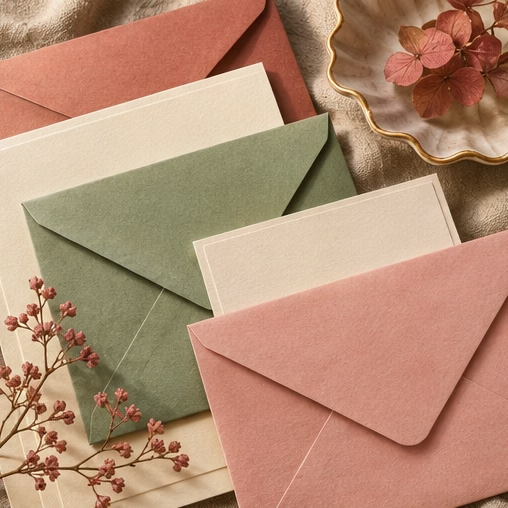
A sheet to send to someone
When choosing a correspondence set, check that the folded sheet slides comfortably into its envelope. A light ruling suits someone who writes in long lines. An unruled sheet leaves room for a drawing, a large handwritten date or a few words running up the margin.
A pad that fits in one hand
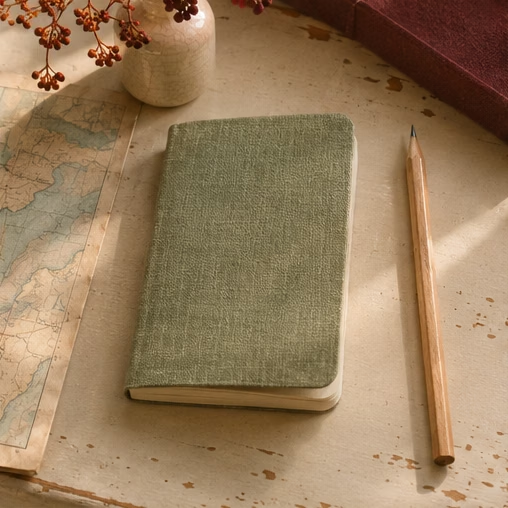
Released in 1961, the Diamond memo was a small pad designed to fit a shirt pocket and allow writing on both sides. When choosing a similar format, try the whole movement. Take it out, open it with one hand and find a fresh page without resting it on a table.
A diary that revisits one date
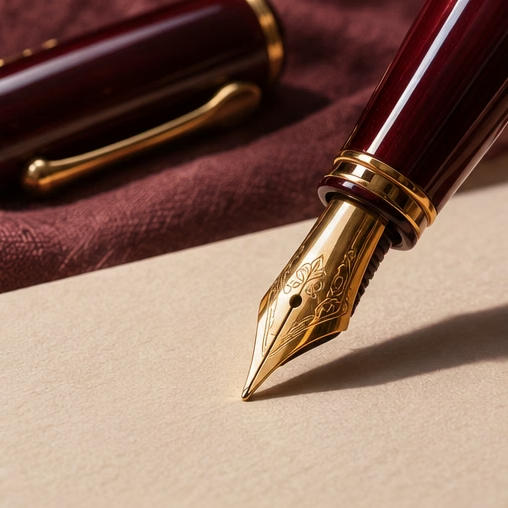
A multi-year diary groups entries for the same calendar date across several years on a single page. When a birthday comes round, you can look up how you celebrated in previous years. Check how much room each entry gets. Just a few lines can be inviting on a busy evening.
To accompany any of these gifts, add a card with the date and a memory you share. The recipient can slip it between the pages or keep it with their letters.
Official brand history